It’s the talk of the property market right now and something we’ve been tracking for a while. The self-employed agent is shaking up the sector. While they take a bigger slice of the market, online agencies, in contrast, are struggling to keep up.
Once self-proclaimed “the future of property sales”, online agents’ promises of convenience and lower fees are no longer capturing the attention of today’s buyers and sellers. More of the nation are choosing local, self-employed agents who are proactive, tenacious and truly champion their clients’ homes. They’re no longer just a disruptor; they’re cementing their position in the industry.
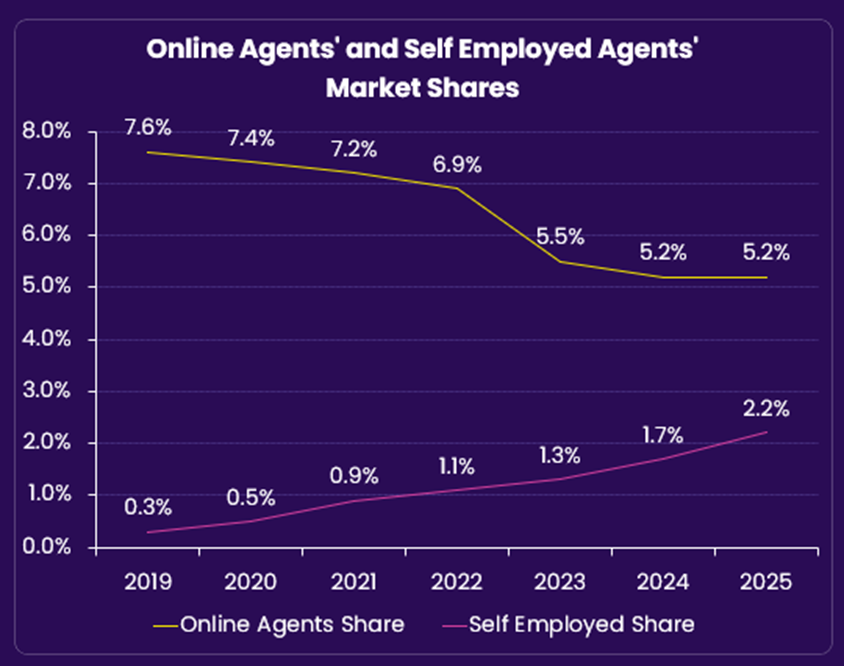
We’ve been closely monitoring the market share of both groups and observed the self-employed agents’ market share rise from 0.3% in 2019 to 2.2% in 2025. Between 2024 and 2025 alone, market share jumped up by 27%. Conversely, the online agent market share has fallen to 5.2% last year compared to 7.6% in 2019, a decline of 32%.
A closer look at where online agents are losing market share reveals that the losses are most prevalent in the £0-£200k price band, where they saw a 6.6% drop year-on-year. The region that is the biggest challenge for the online agent is Inner London, where they lost 27% market share between 2024 and 2025. Of all the listings in Inner London, just 1.2% in 2025 were from online agents.
Meanwhile, for the top self-employed models, the results for 2025 speak for themselves:
- eXp UK reported hitting over 850 members in 2025
- Yopa announced revenue rising 29% for the year ending September 2025
- Avocado Property Agents surpassed 2,000 completed property sales
We have plotted all self-employed New Instructions in 2025 and in this article, we will take a tour of the UK to find out where there are concentrations of instructions from these agents.
SCOTLAND:
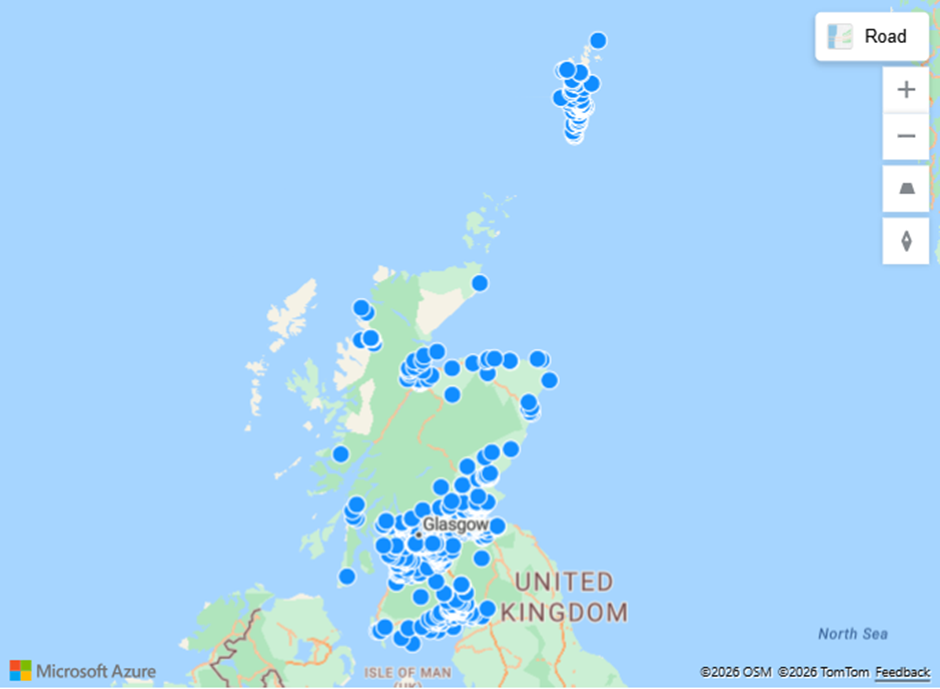
As expected, there are strong concentrations in the urban areas for the self-employed agent, particularly around the Central Belt between Glasgow and Edinburgh. There’s a growing presence of self-employed agents in the Shetland Islands, where these agents have spotted an opportunity to stand out compared to more competitive Scottish markets such as Glasgow. For any Scottish agents considering going self-employed, the map highlights numerous untapped areas ripe for setting up shop.
THE NORTH WEST:
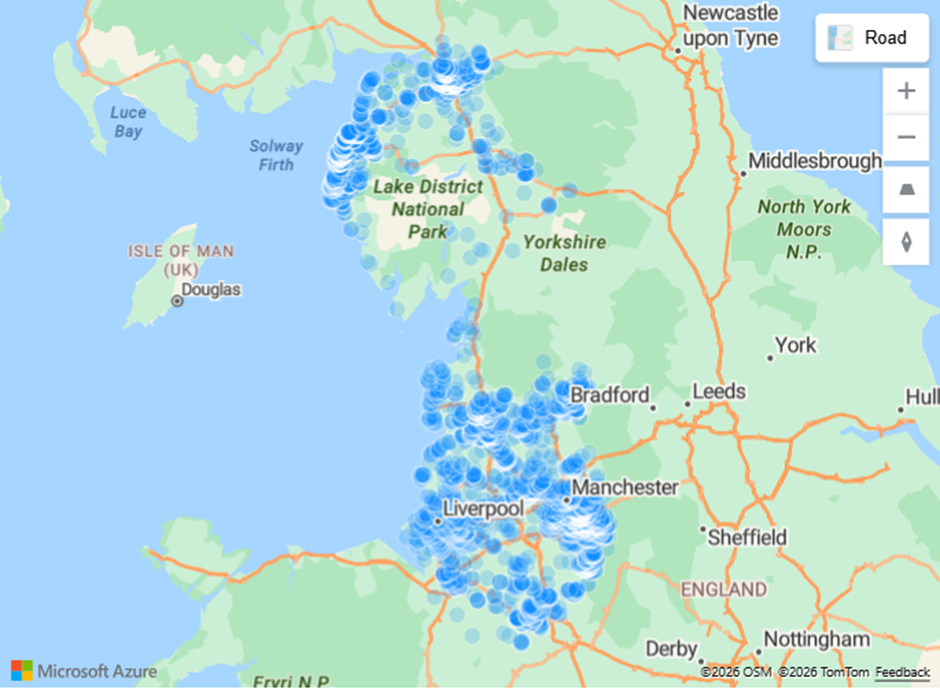
In the North West, instructions are heavily concentrated around Manchester and Liverpool. There’s also a notable cluster of instructions in and around Carlisle.
NORTH EAST:
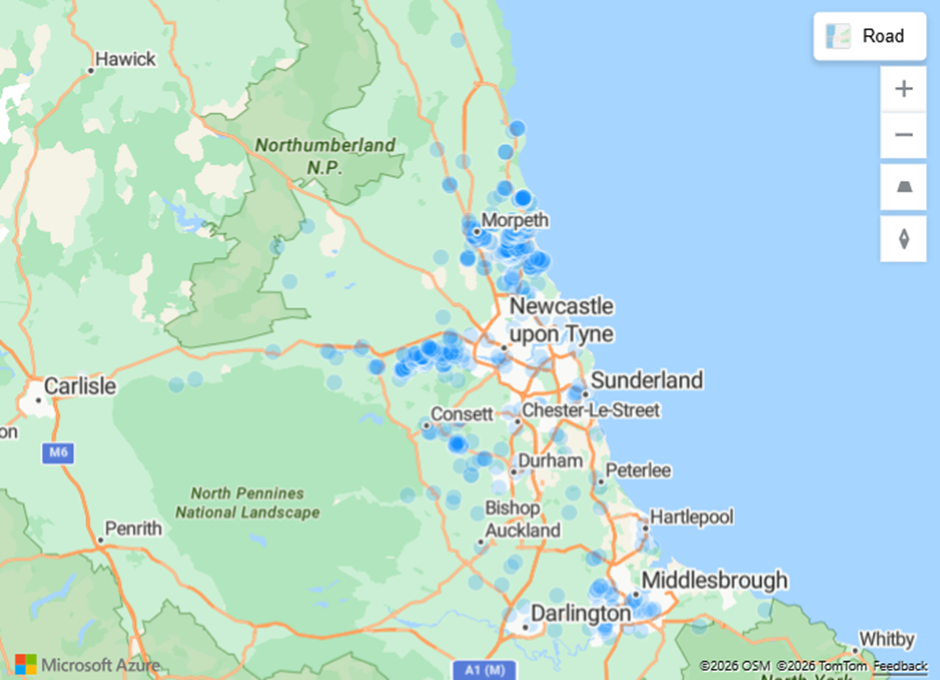
It’s evident from the map that the self-employed agent is lacking presence in the North East, even in well-populated cities such as Newcastle Upon Tyne and Middlesbrough. There are many areas in this region that a savvy self-employed agent could take advantage of.
YORKSHIRE AND THE HUMBER:
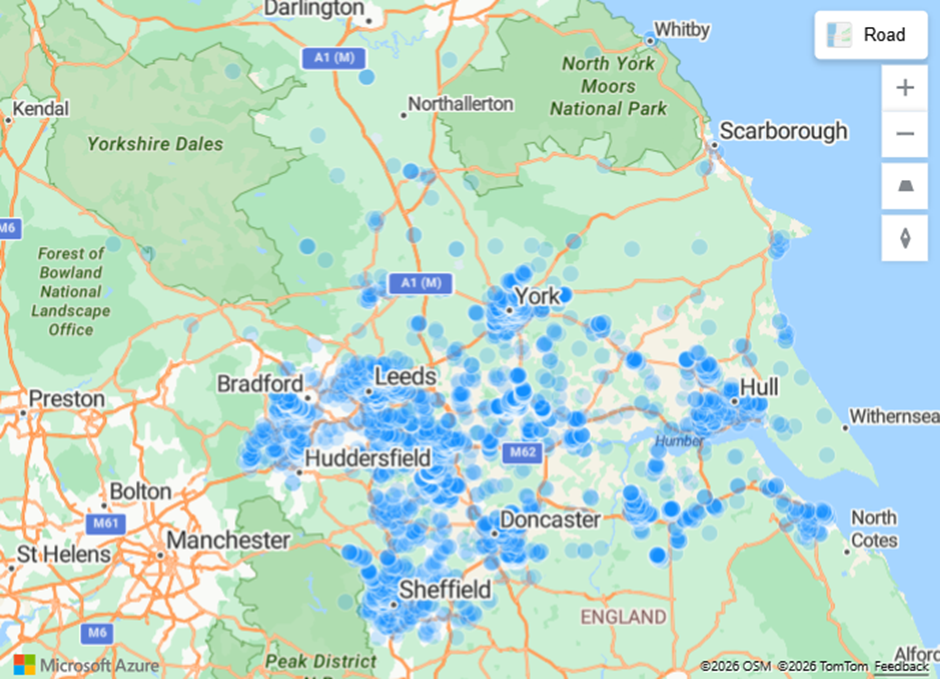
There is a fair spread of listings across Yorkshire and The Humber. There’s little presence of self-employed agents in Huddersfield, suggesting an opportunity. In contrast, the self-employed agent has captured a fair amount of market share in Leeds, York, Sheffield, Doncaster and Selby.
WEST MIDLANDS:
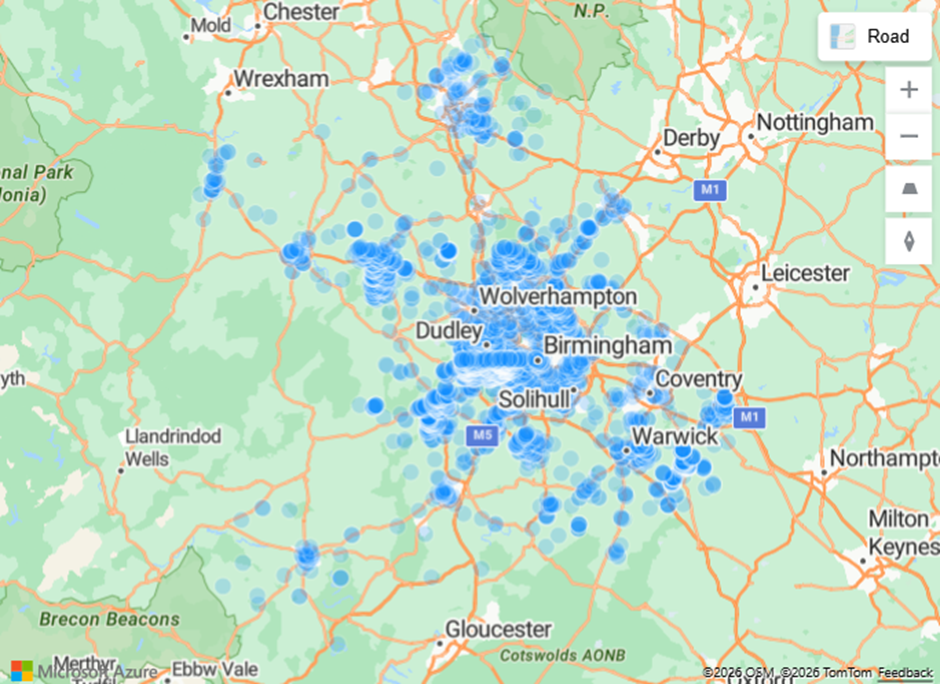
In the West Midlands, there are opportunities to win instructions in Coventry, Wolverhampton and Stoke‑on‑Trent. In contrast, Birmingham already has a high level of activity among self‑employed agents, so anyone considering launching there should be mindful that competition is likely to be tough.
SOUTH WEST:
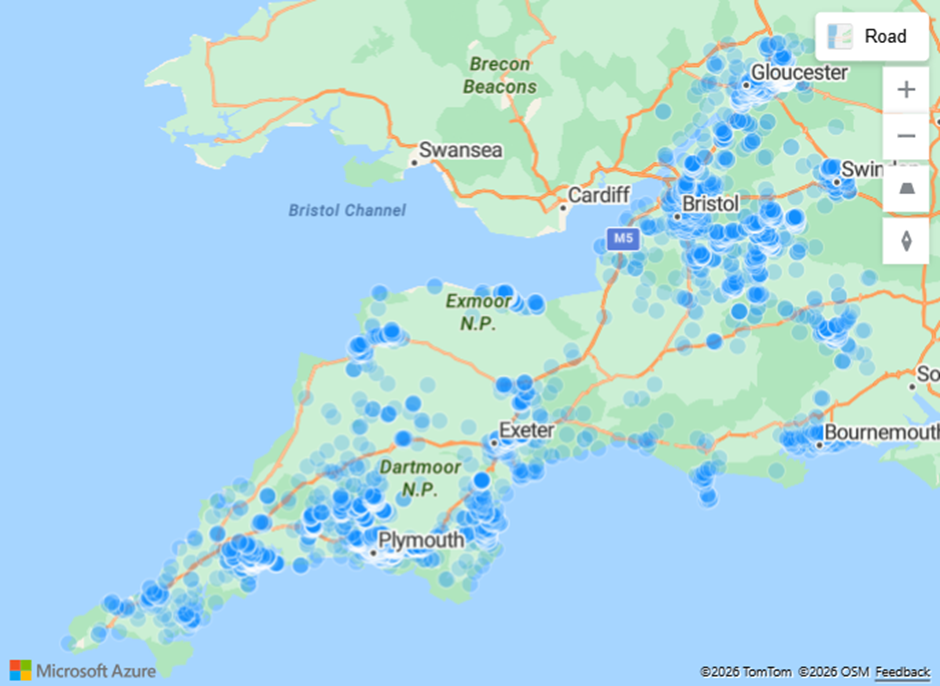
New instructions are littered around the South West, though there are many visible gaps. The self-employed agent is making strides in Cheltenham, Gloucester and Exeter.
EAST MIDLANDS:
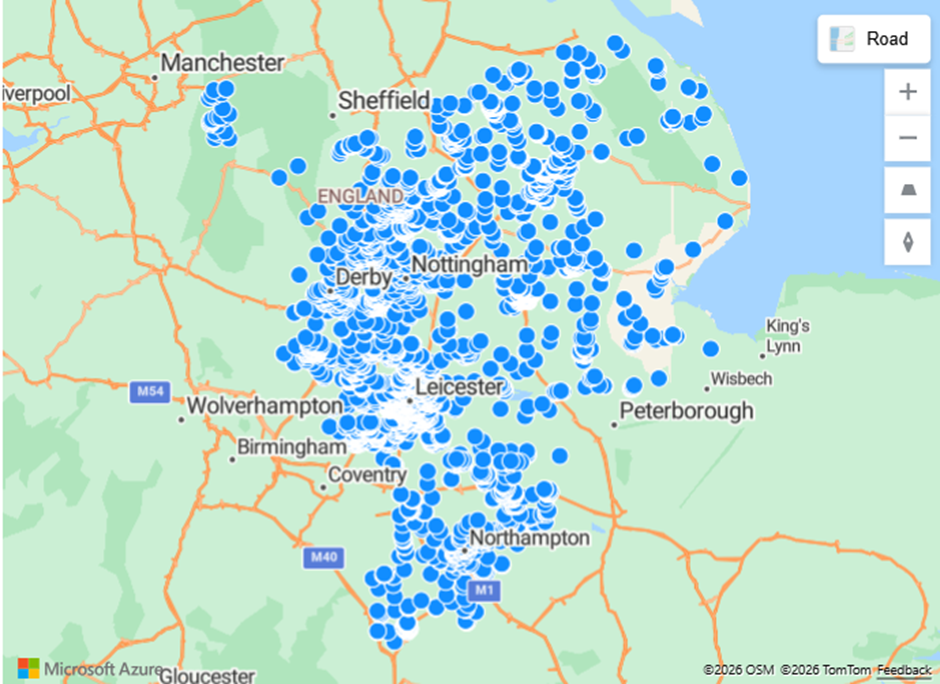
For the East Midlands, the map highlights healthy levels of instructions spread out throughout the region. There are notably high instructions in Leicester, Lincoln and Grantham, with opportunities to take market share in Nottingham.
EAST OF ENGLAND:
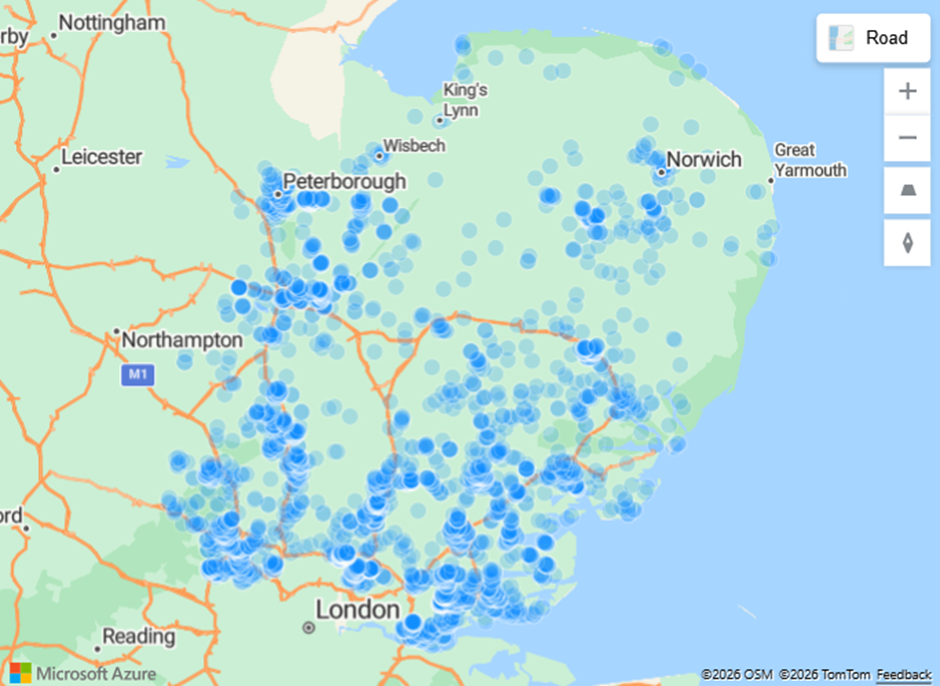
In the East of England, self-employed agents are performing well in Basildon and Chelmsford. Conversely, Ipswich and Luton are showing fewer instructions, providing scope for self-employed agents to differentiate themselves.
SOUTH EAST:
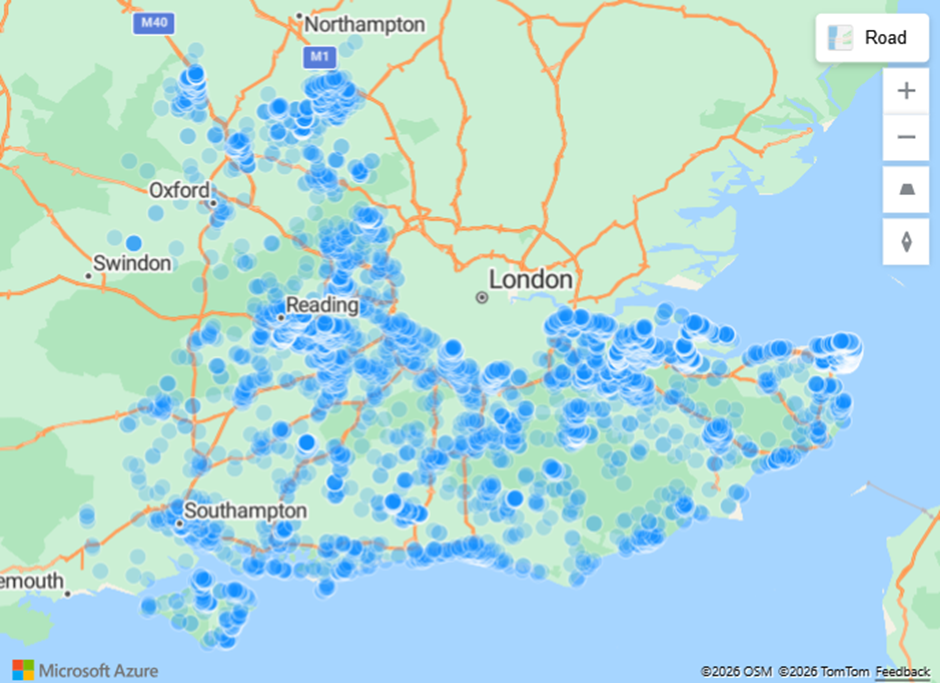
The self-employed agent is making itself felt in the South East. Milton Keynes and Reading have a high presence of self-employed agent instructions, with comfortable levels in Southampton and Brighton.
WALES:
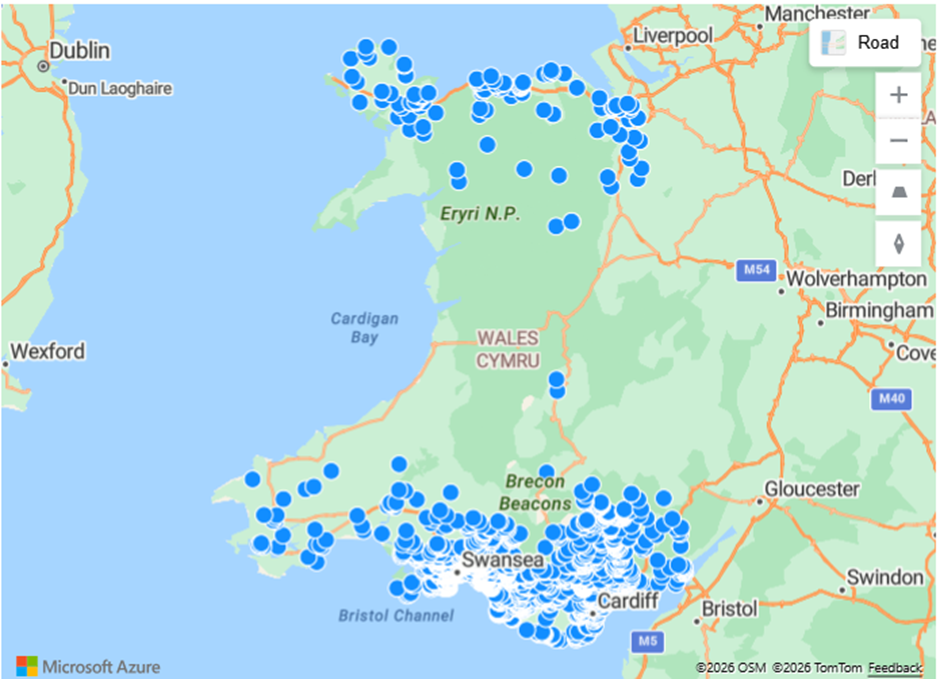
For Wales, opportunities exist along the eastern coast. Notably, the self-employed agent has taken a significant market share of listings in Swansea and is performing well in Cardiff and Newport.
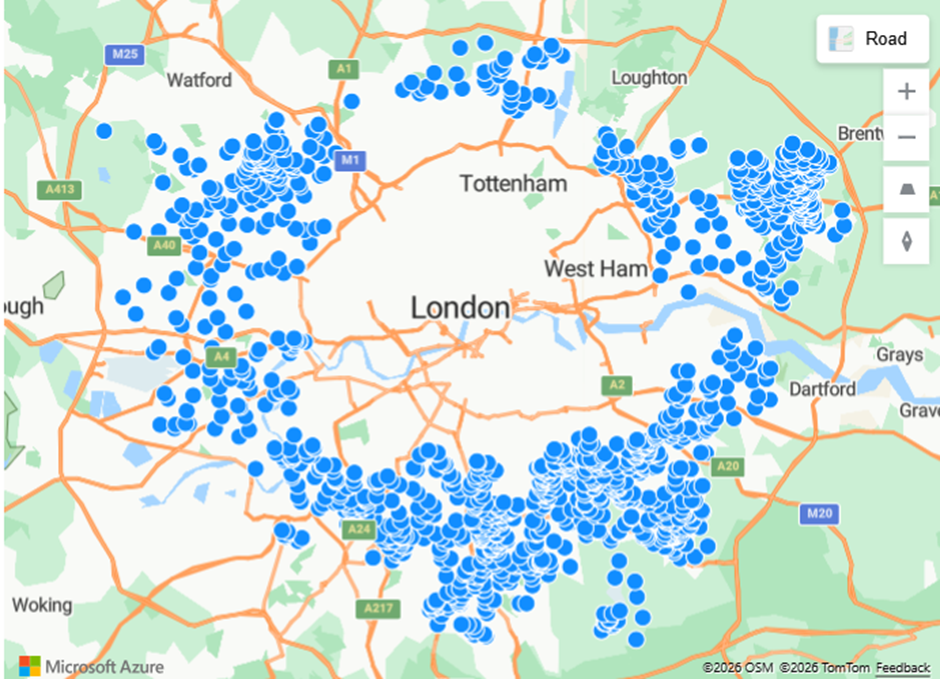
OUTER LONDON:
INNER LONDON:
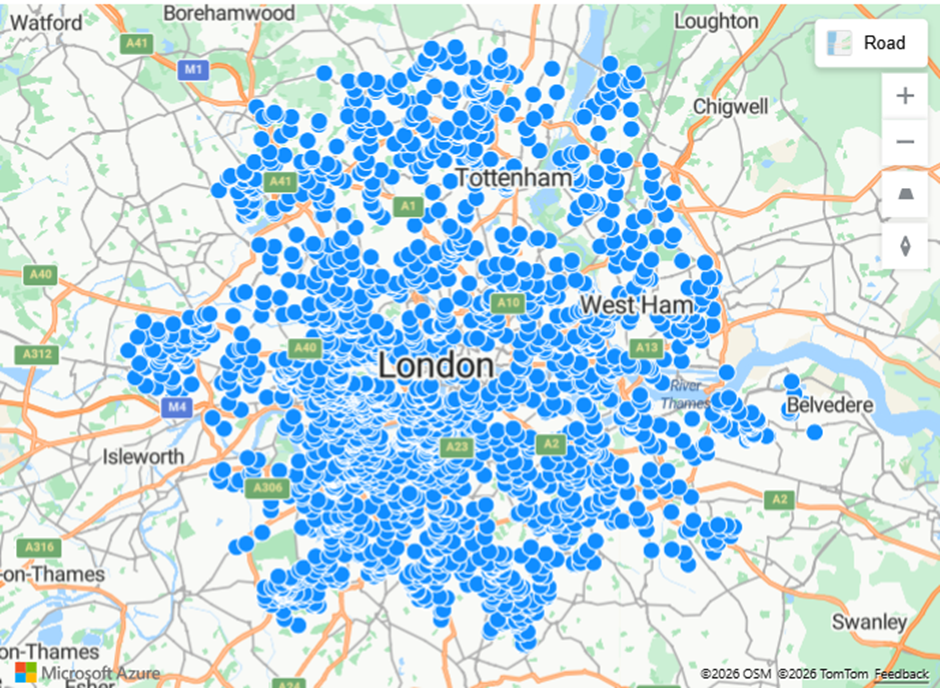
The spread of listings in Outer London suggests the self-employed agent is making headway. Bromley particularly stood out as an area with a significant self-employed agent footprint. Similarly, Inner London is covered in listings from the self-employed agent and it’s clear the model is having an impact in the capital.
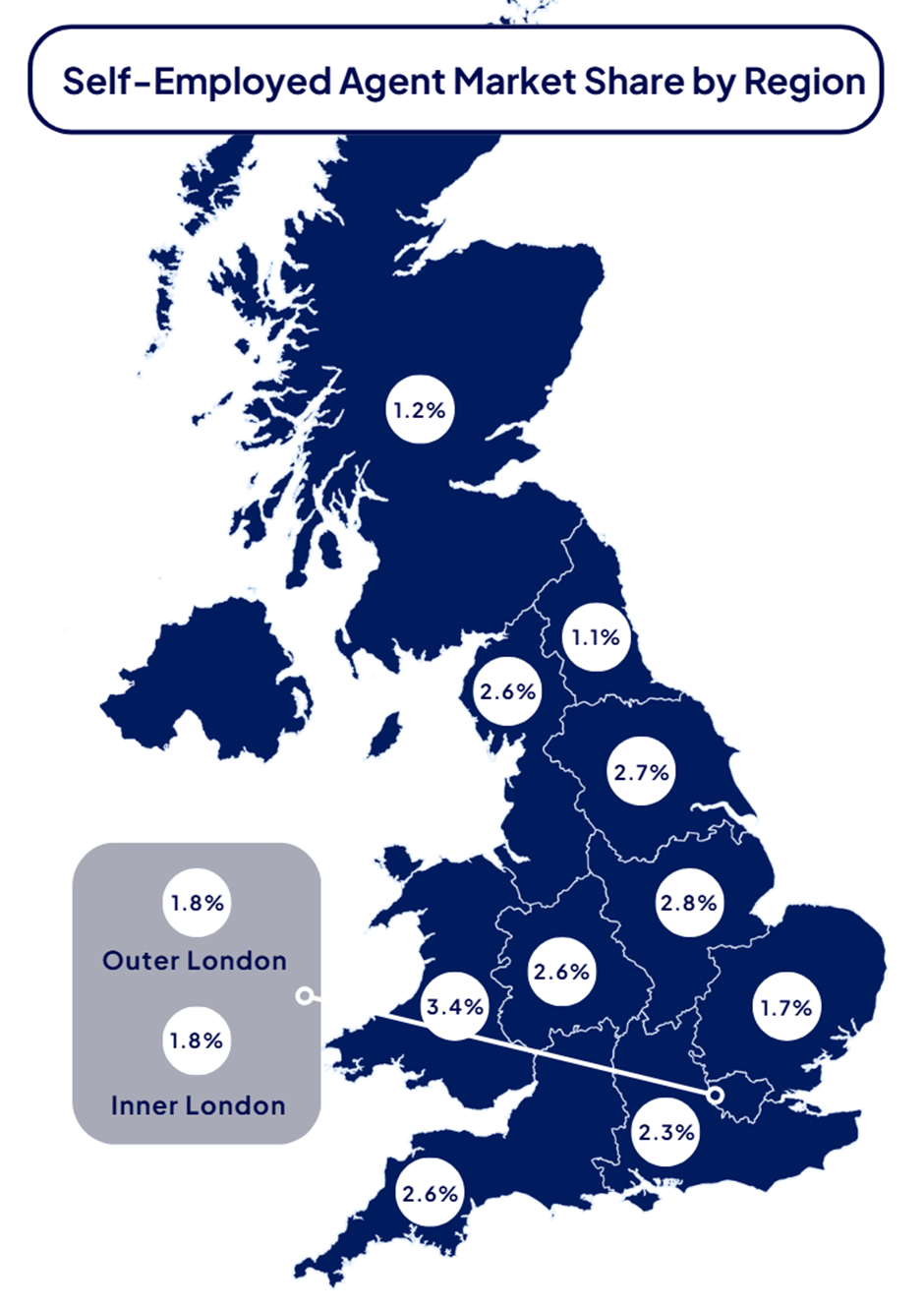
Regional Market Share
The map below shows the regional breakdown of self‑employed sales market share. Wales leads with 3.8%, followed by the East Midlands at 2.8% and Yorkshire and The Humber at 2.7%. At the other end of the scale, the North East trails with just 1.1% held by self‑employed agents.
Final Thoughts
Once considered a risky jump, the lure of building your own personal brand is encouraging more and more agents to buy into the flexibility, freedom and earning potential of being self-employed. The pace at which the self-employed agent is winning market share has everyone watching closely. It’s proof that people-focused agents with local knowledge are what buyers and sellers are looking for in 2026’s property market.